Organization of the brain
Neurons
Types of neurons
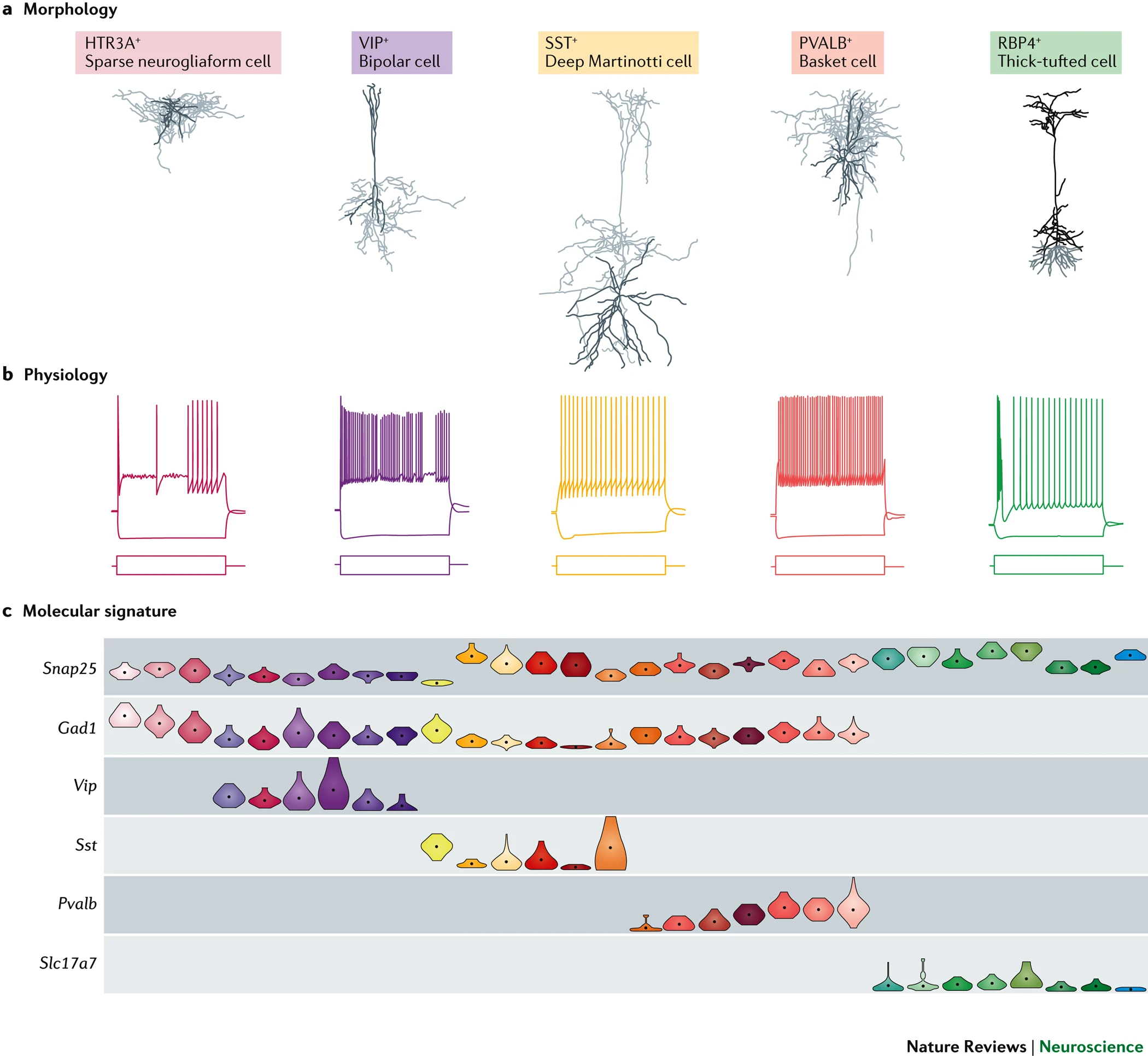
There are a shit ton of neurons in our brains. And lots of different types. They are discriminated by their morphology, physiology (firing pattern) and molecular signature.
Neuron schematic
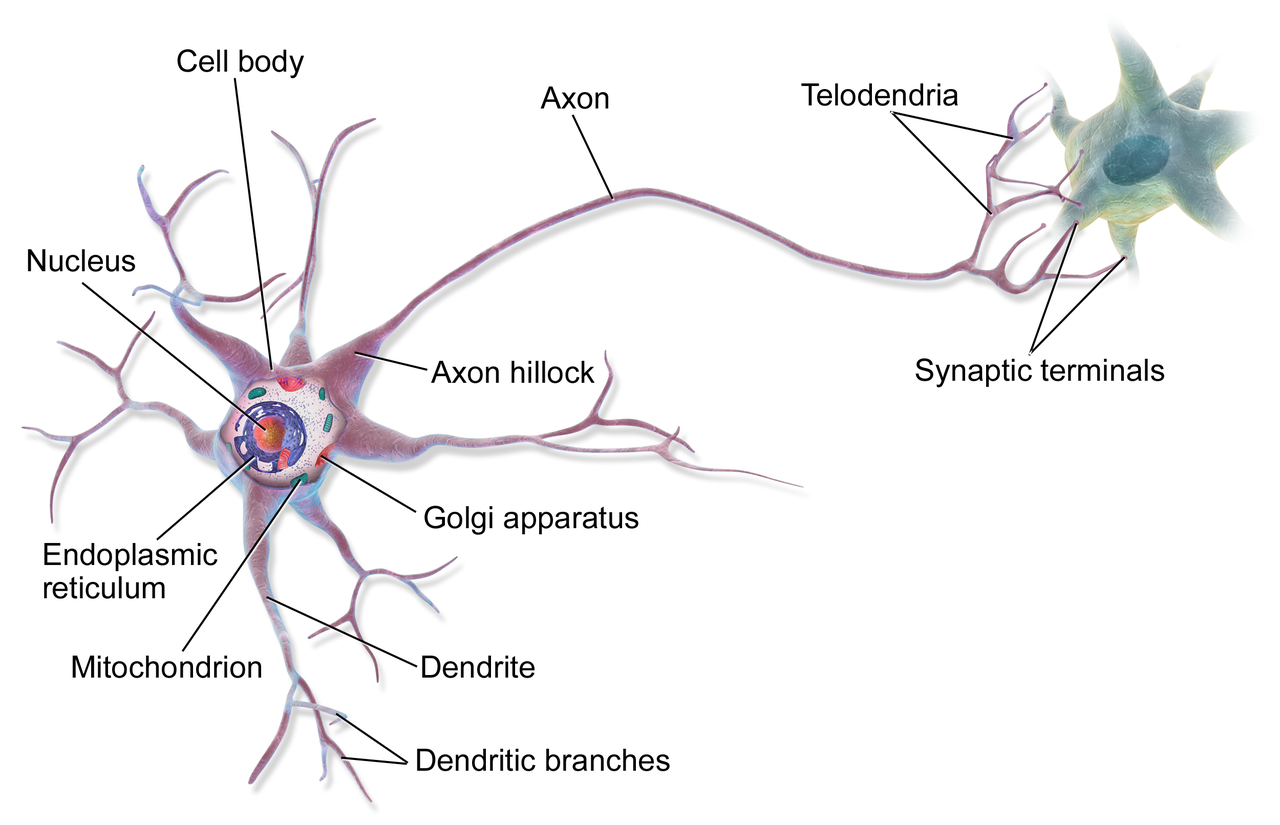
Components
Axon
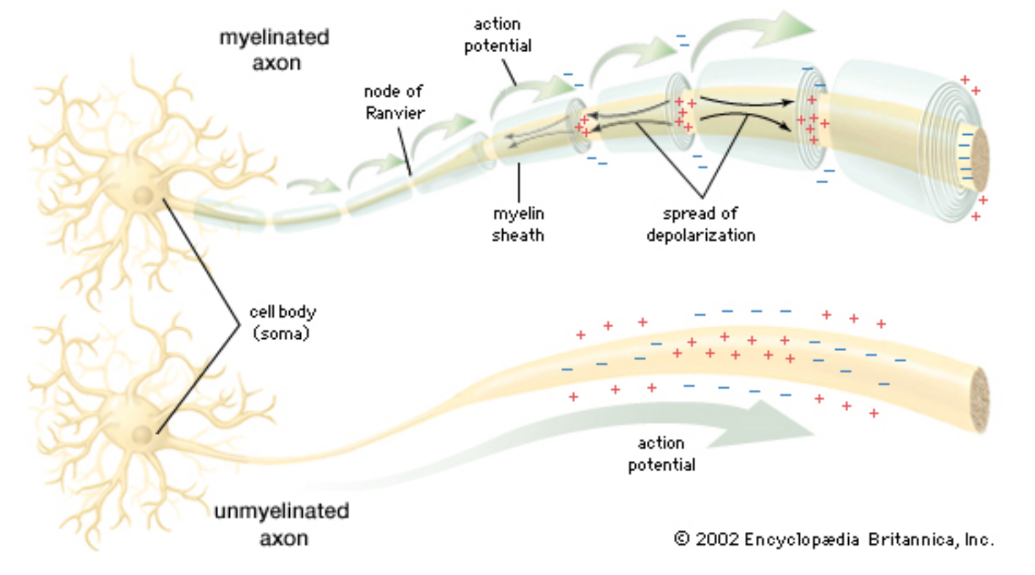
The long projection of the cell, conducts the action potentials. May be myelinated, or unmyelinated. This is the provision of an insulating layer, called a myelin sheath. The myelin membrane is unique in its relatively high lipid to protein ratio.
Boutons
Cleft
Dendritic spines
Postsynaptic membrane
Vesicles
Transmitter
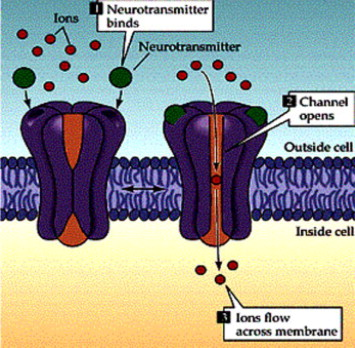
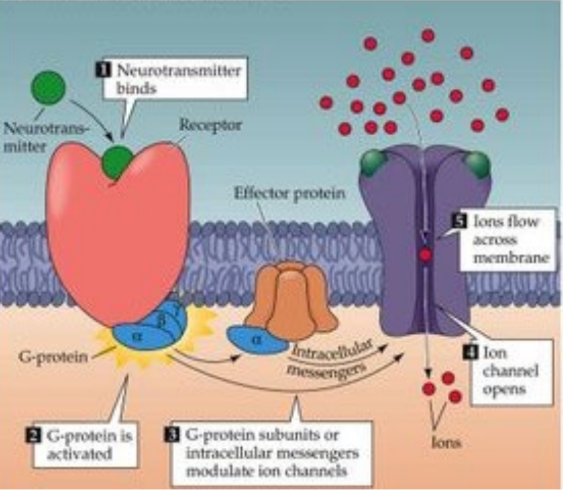
Receptors
- Ligand gated ion channels (fast process)
- Gprotein coupled (slow process)
Dendrites
Input of the neuron
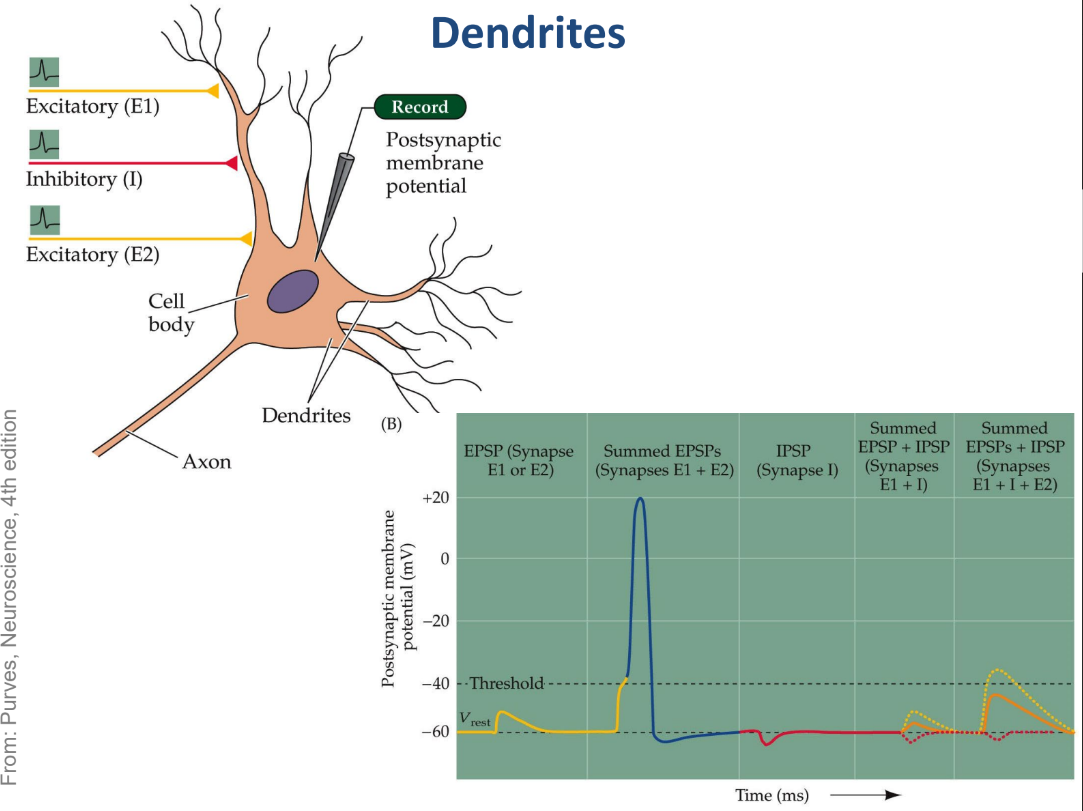
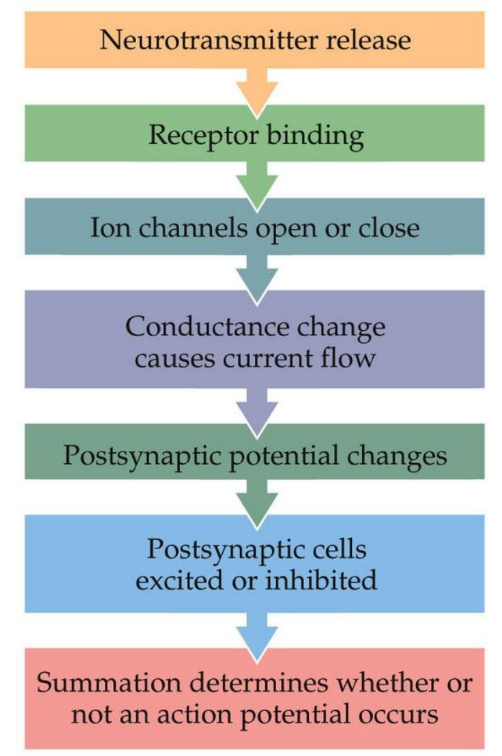
Flow of the neuron
Nervous systems
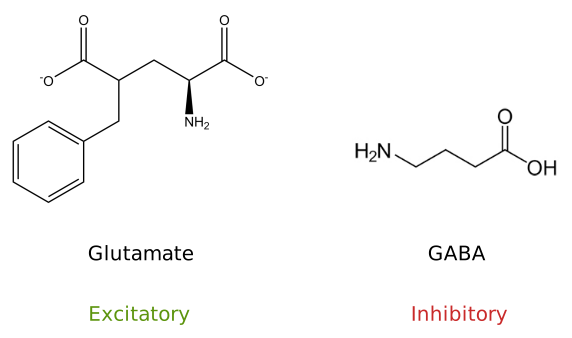
Neurotransmitters
One neuron only releases one kind of NT.
The skull
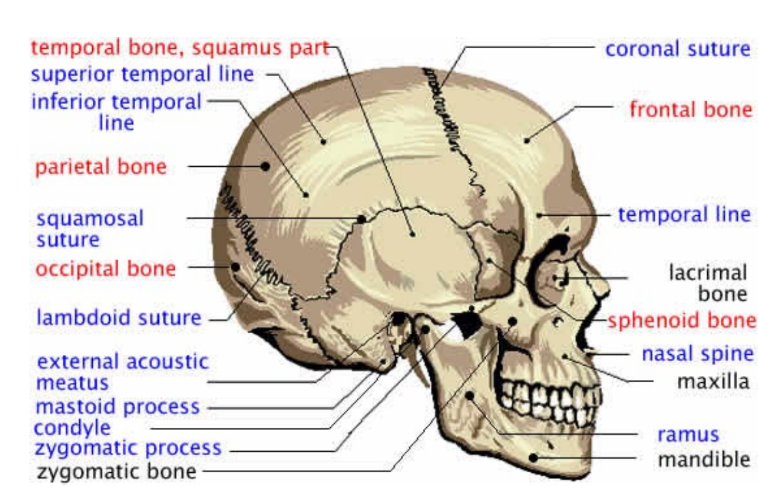
Protection, supports the sensory organs (eyes, ears)
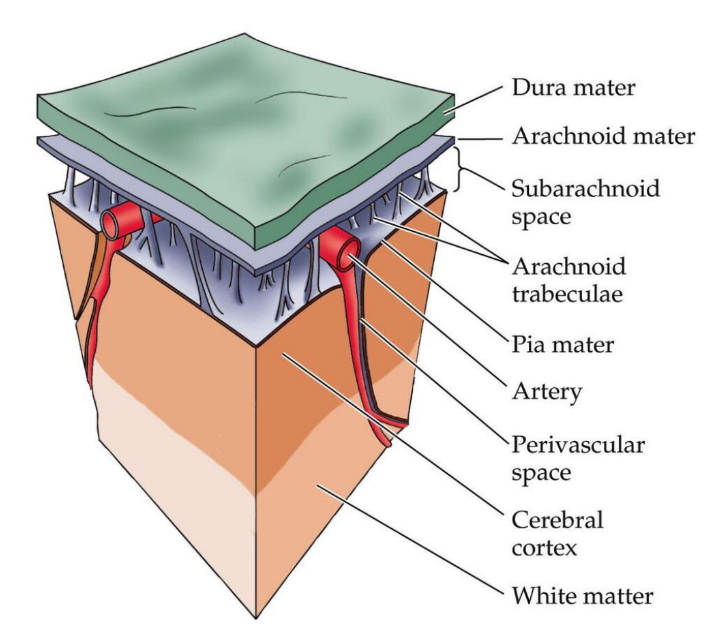
The meninges
Protection and sustenance of the brain. Made up of three layers:
- Dura mater
- Arachnoïd
- Pia mater
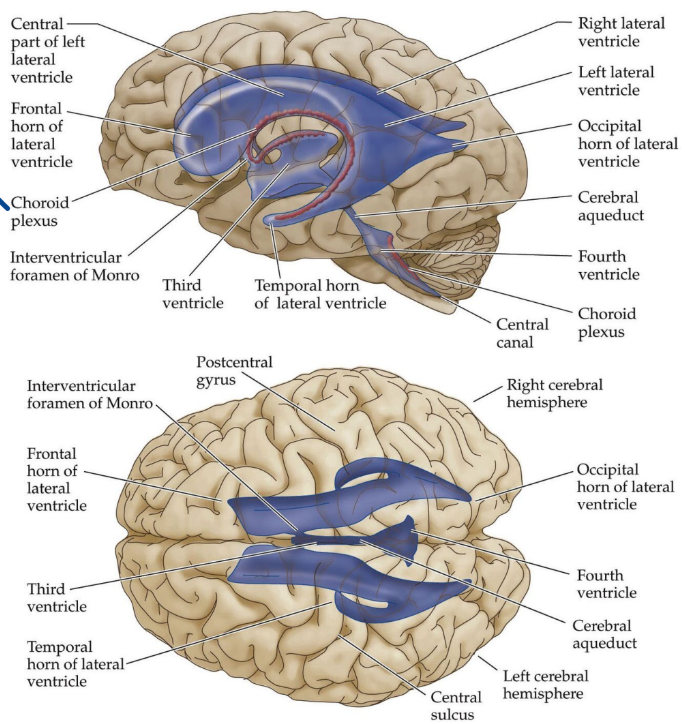
Ventricular system
Provides chemical protection and nurtition by supplying the cerebro spinal fluid via the choroid plexus.
Neural development
Major divisions of the brain
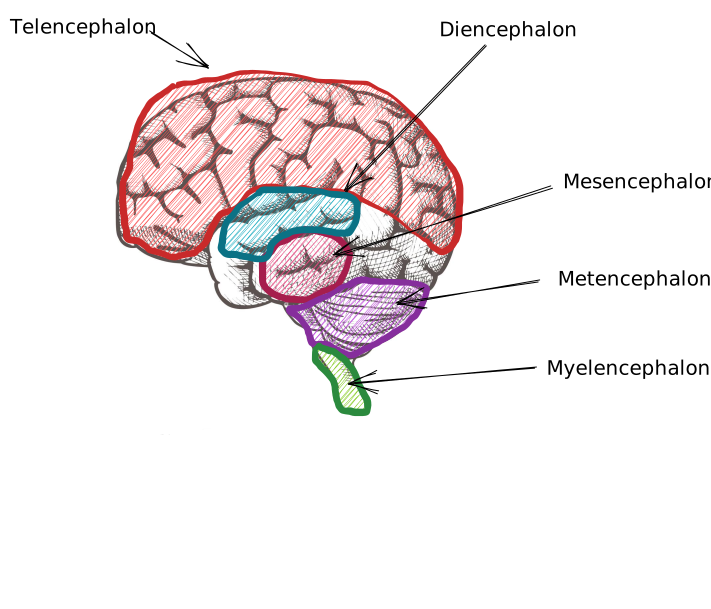
The myelencephalon is responsible for breathing and vital functions
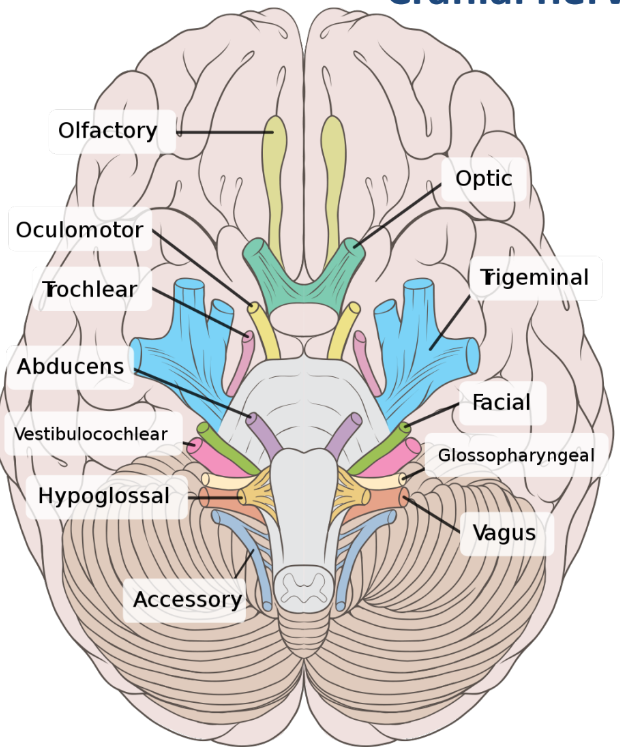
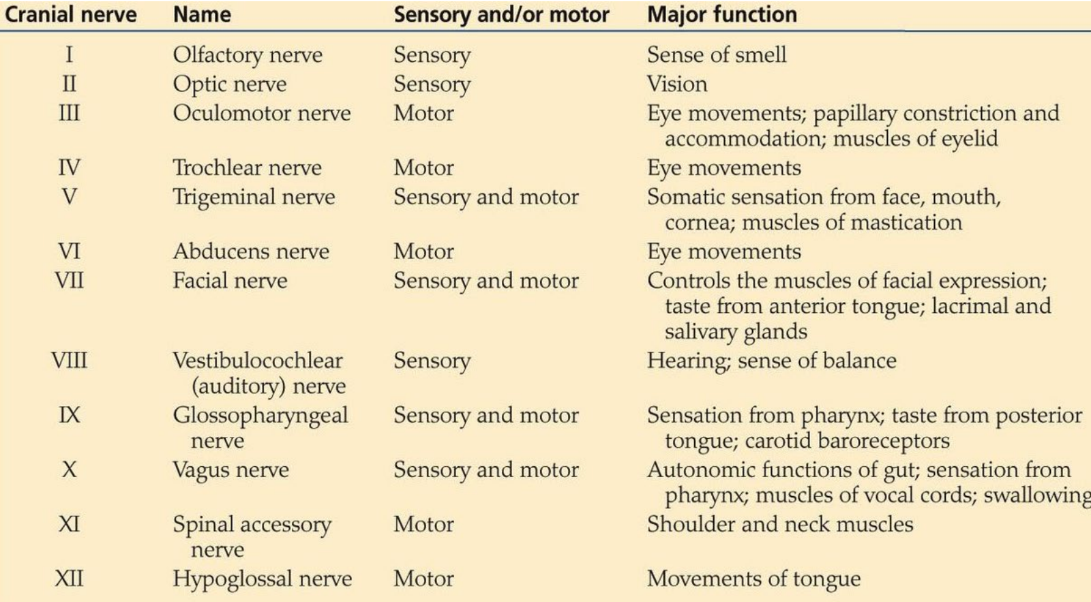
Cranial nerves
The 12 cranial nerves connect the brain with the periphery. Cranial nerves send electrical signals between your brain, face, neck and torso. Your cranial nerves help you taste, smell, hear and feel sensations. They also help you make facial expressions, blink your eyes and move your tongue.
Limbic system
Part of the brain involved in behavioural and emotional responses (survival responses). Fear conditioning
Broca's limbic lobe
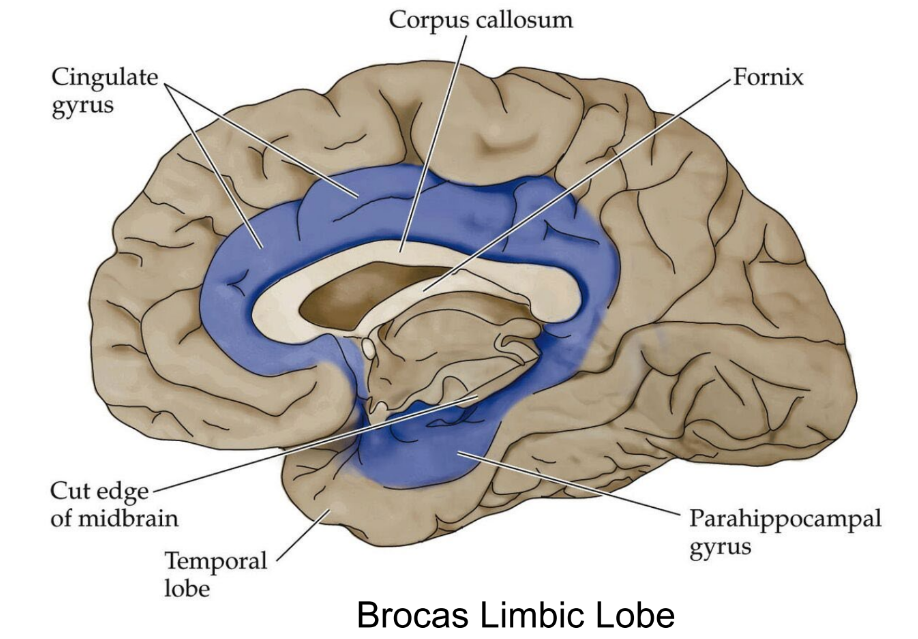
(Cingulate gyrus and parahippocampal gyrus)
Associated with the sense of smell (size varies between species with the size of the olfactory nerve)
Papez circuit (same thing but described more precisely)
Also called the visceral brain.
This neural loop functions in the cortical control of emotion, memory storage and contains centers that regulate aversion and gratification.
The Papez circuit goes through the following neural pathways:
graph TD;
Cingulate_gyrus-->parahippocampal_gyrus;
parahippocampal_gyrus-->hippocampal_formation;
hippocampal_formation-->fornix;
fornix-->amygdala;
amygdala-->septum;
septum-->mammillary_bodies;
Hippocampal formation (subiculum) → fornix → mammillary bodies → mammillothalamic tract → anterior thalamic nucleus → cingulum → entorhinal cortex → hippocampal formation.
Function:
- Emotional expression
- Memory acquisition
- Fear conditioning
- Violence and aggression
Amygdala
The amygdala is the integrative center for emotions, emotional behavior, and motivation
When removed we can't recognize fear anymore
Hypothalamus and thalamus
Thalamus
Is part of the of the upper brain stem (Diencephalon)
Structure
- Two symmetric large nuclei
- Receive ascending and descending inputs
- Many projections
Function
- Relay station
- Domain specific information processing
Hypothalamus
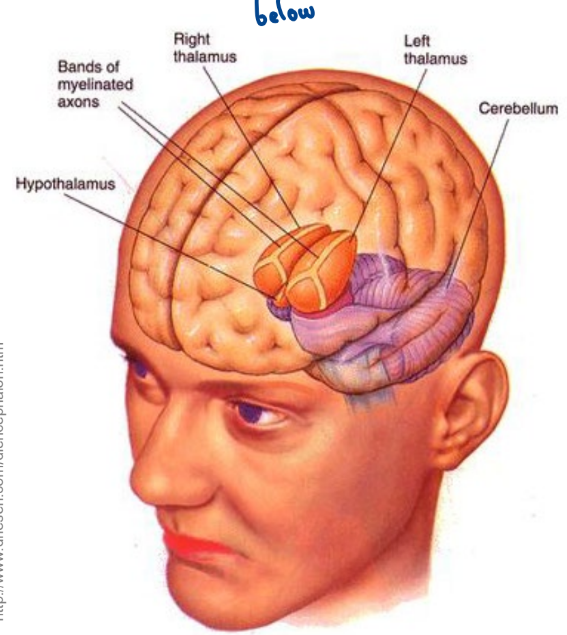
Structure
- Very small
- Contains an important collection of nuclei
Function
- Controls autonomic mechanisms
- Link to endocrine system
Basal ganglia
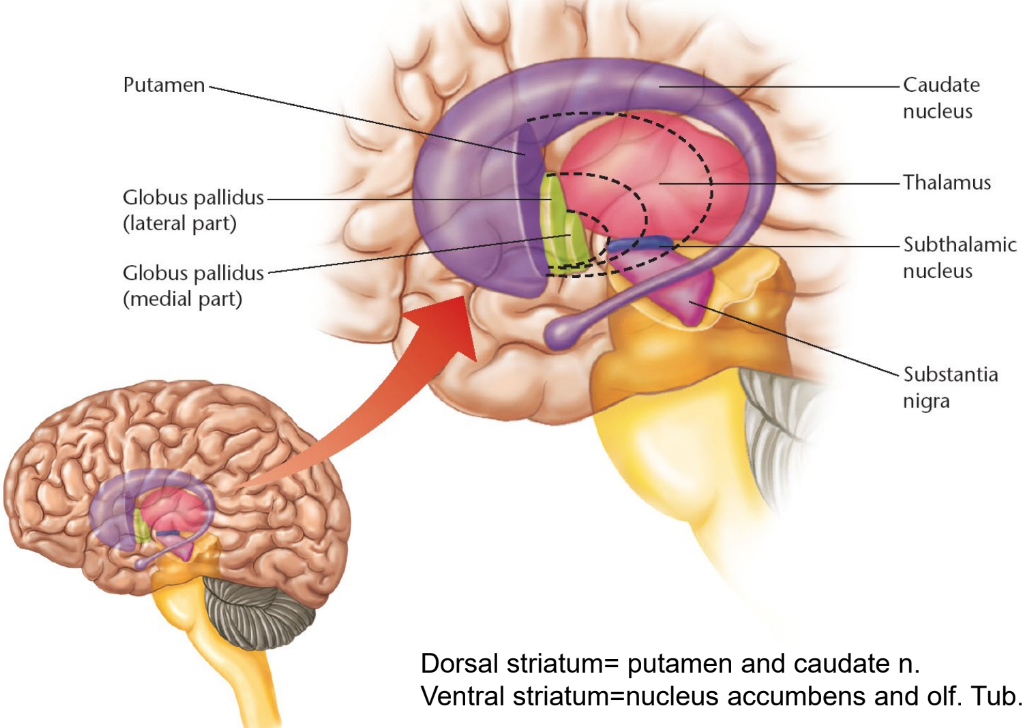
Structure
- Collection of nuclei embedded deep within cortex
- Partially surrounds the thalamus
- Sensory projections to cerebrum
- Efferents to other nervous system structures
- Consists of:
- Caudate nucleus
- Putamen
- Globus pallidus
- Substantia niagra
- Subthalamic nucleus
Function
- Regulate voluntary movement
- Integrative or just relay station?
Pathology
- Movement disorders (Parkinsons)
Lobes of the cerebral cortex
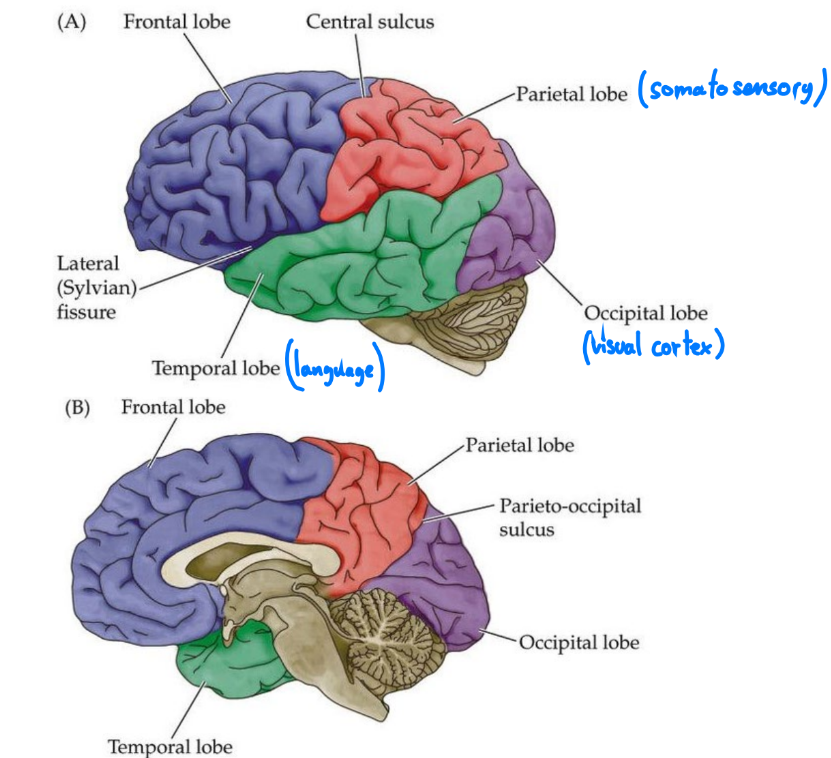
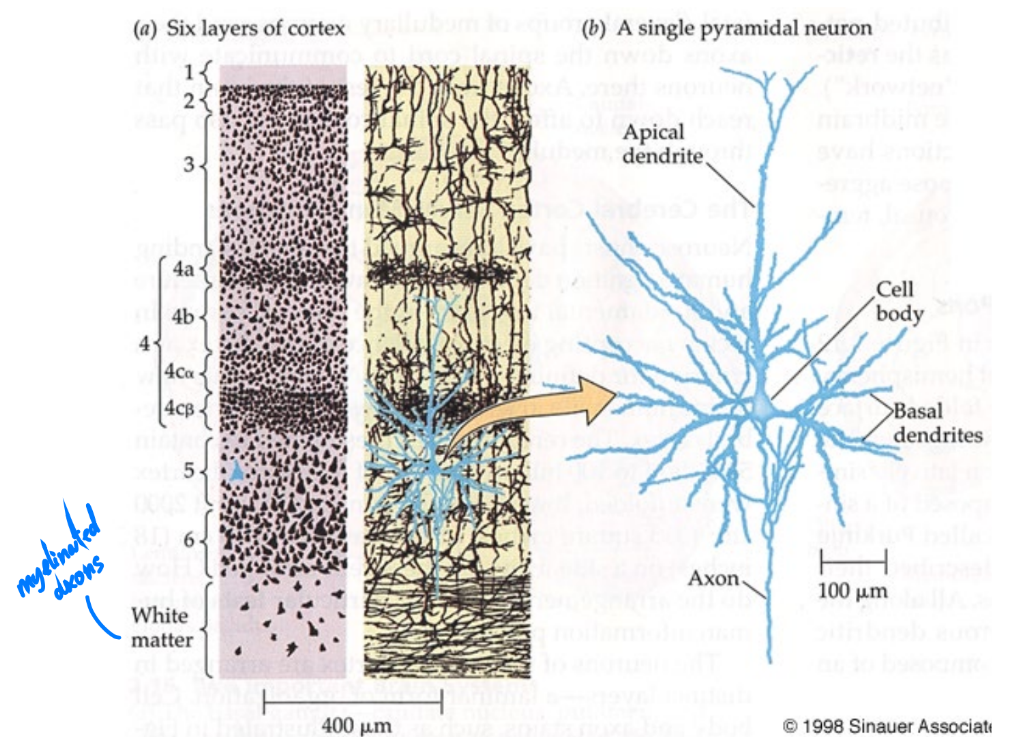
Cytoarchitecture
Six layers of neurons (gray matter)
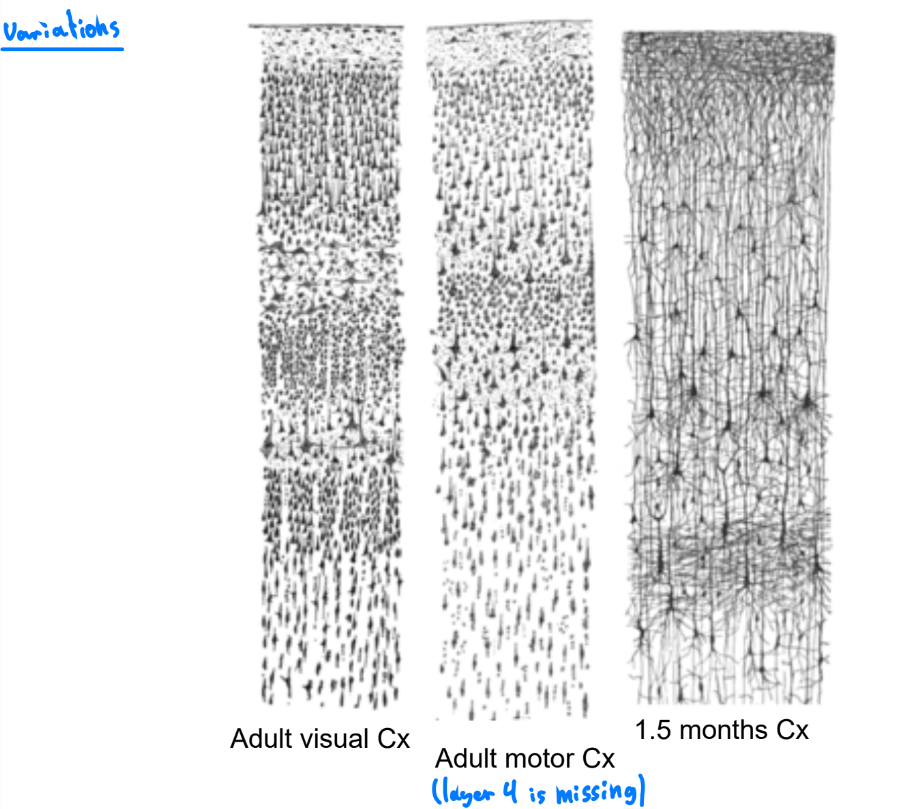
Brodmann's areas
Different morphological areas somehow reflecting their function
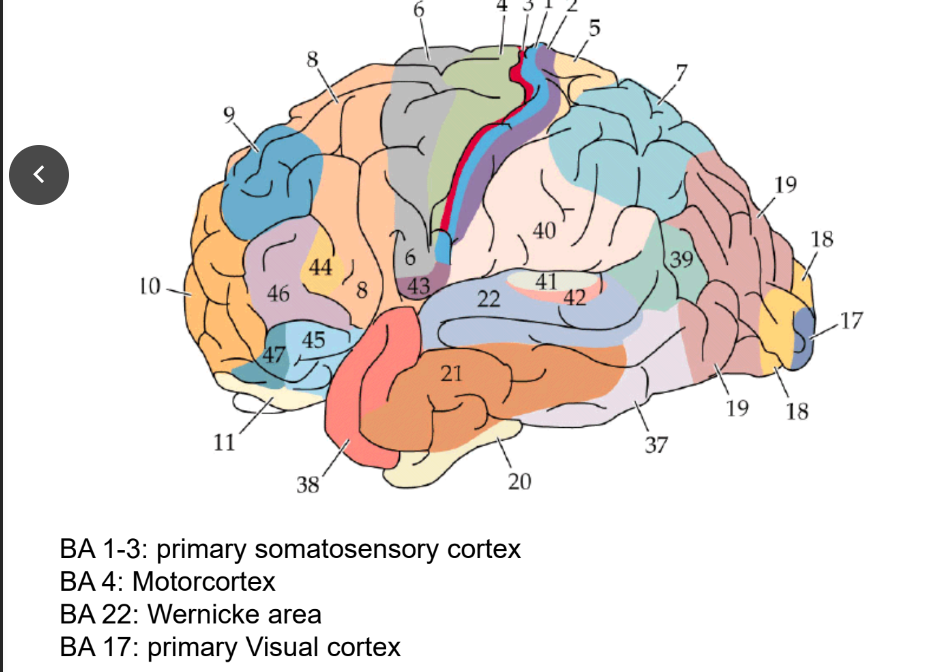
Cortical areas
Phineas Gage
Accident in 1848 destroyed left frontal lobe. "The equilibrium or balance, so to speak, between his intellectual faculties and animal propensities, seems to have been destroyed.”
Occipital lobe
WHen damaged vision is impaired
Circuits
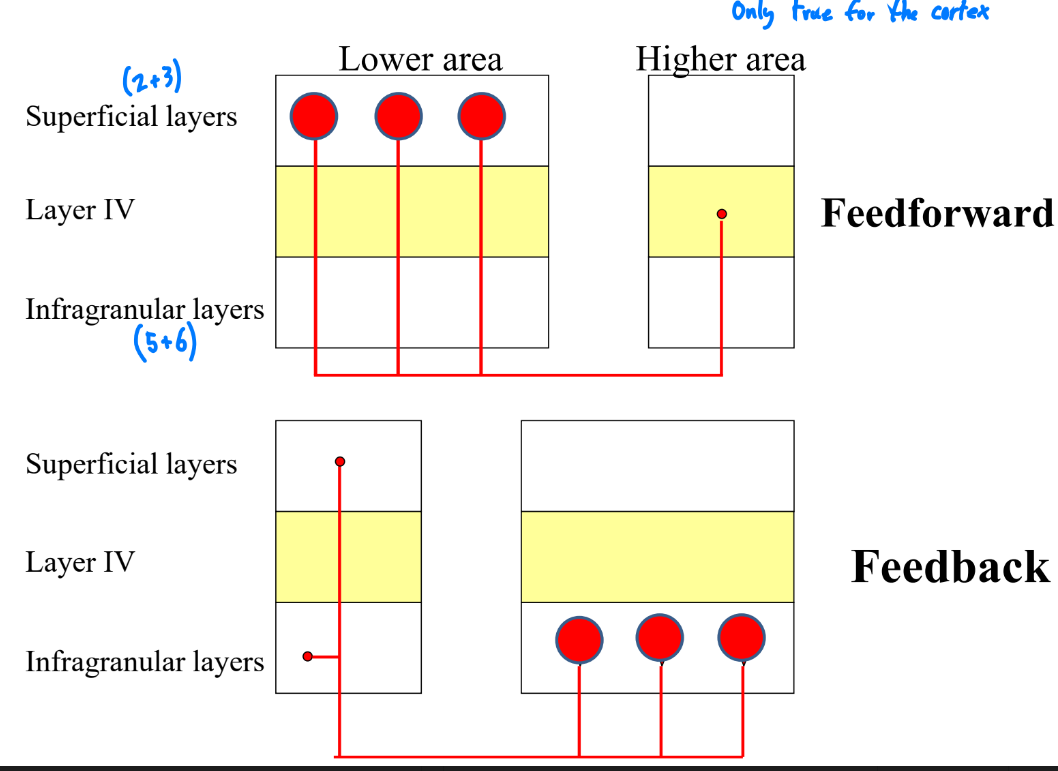
Layer 4 is generally the input layer. Feedback is usually generated by layer 5 and 6 into layer 2 and 3